
Why a permanent retreat center matters for burnout recovery, resilience, and spiritual renewal

Most people do not reach for the word “burnout” until it’s too late. Especially those who are trained to keep going, like pastors, clinicians, and caregivers. A faith integrated burnout recovery retreat center offers something many helping professionals never receive: a place designed for nervous system recovery, emotional healing, and spiritual renewal. All of these held within Scripture-shaped rhytms and quiet hospitality.
The experience of burnout varies from person to person. For some, it sounds like constant fatigue. For others, it feels more like emotional numbness, short patience, decision overload, spiritual dryness, or the quiet sense that they are still showing up for people while slowly losing themselves. Pastors and ministry leaders know that feeling. Doctors and nurses know it too. So do social workers, counselors, and other compassion-driven professionals—people whose daily work consists of helping to cary the burdens of others. This type of work can quietly drift into a life of exhaustion.
That is one reason a permanent place of renewal matters. The vision of The Retreat at Annandale is not to create another getaway. It is to build a lasting, faith integrated place where people serving others can step out of chronic strain and into guided recovery. Each retreat will include restorative rhythms, whole-body care, and deeper spiritual renewal for the soul as well as the nervous system.
Burnout is not a niche problem
Burnout is now widely recognized across both ministry and clinical settings, including psychology, psychiatry, and the neurobiology of chronic stress. The U.S. Surgeon General’s advisory on health worker burnout warns that health worker burnout affects patient care, workforce stability, and community health. The same advisory notes that physician demand was projected to outpace supply. This means exhausted clinicians are being asked to carry more inside an already strained system.
A couple of years ago the CDC’s Morbidity and Mortality Weekly Report discovered that the portion of health workers who said they felt burnout “very often” rose from 11.6% in 2018 to 19.0% in 2022. In the same report, average poor mental health days for health workers increased from 3.3 days to 4.5 days in the previous month.
Nursing data tells a similar story. The American Nurses Association reports that 62% of nurses in a 2020 survey experienced burnout. For younger nurses, the reported number was even higher.
As previously mentioned, pastors and ministry leaders are not exempt from the same pressures. Several years ago Barna research found that 38% of U.S. pastors had considered quitting full-time ministry within the previous year. In a separate Barna study on pastor support systems, 65% of pastors reported feelings of loneliness and isolation, and only 49% said they frequently felt well-supported by people close to them.
Different callings. Similar patterns. Emotional exhaustion, high demand, and limited margin.
Vocational burnout is not the only consequence in these types of professions. Related problems like compassion fatigue, moral distress, anxiety, and depression are equally high. Even though the statistics are high, there is often very few places designed for real recovery.
Why occasional retreats are not enough
The Retreat at Annandale’s story matters here.
This ministry is not beginning with a building. Through the years, we have already welcomed pastors, leaders, friends, and guests into smaller retreat experiences marked by quiet hospitality, prayer, reflection, and care. As the About page explains, the vision grew from a conviction that God often meets people in ordinary places.
That history is important. It changes the story from “someday we hope to start this work” to “this work is already happening.” Now we need a permanent home.
Occasional gatherings can be meaningful, but a permanent center allows for something more substantial. It allows for curated, evidence based experiences, designed and tailored for different vocations, different seasons, and different unique burnout challenges.
A permanent retreat environment makes it possible to:
create consistent rhythms of welcome, rest, reflection, and follow-up (including practical take-home techniques)
design physical space around recovery rather than improvising around borrowed space
serve more people across ministry, healthcare, and caregiving fields
build trust with referral partners who want to send weary leaders and clinicians somewhere thoughtful and safe
develop holistic programming shaped by both spiritual care and trauma-informed sensitivity
That difference matters because burnout is rarely solved by a brief pause alone.
The CDC guidance on healthcare worker stress and burnout points to ongoing contributors such as long hours, exposure to suffering and death, hazardous conditions, administrative burden, and little control over schedules. In other words, many helping professionals are not simply tired. They are living in patterns that keep the nervous system on alert and the soul under strain.
A meaningful response has to do more than just offer beautiful scenery. It has to create the conditions for enduring recovery. A meaningful response will help conquer stress in ways that actually translate back into real life.
Why place itself matters
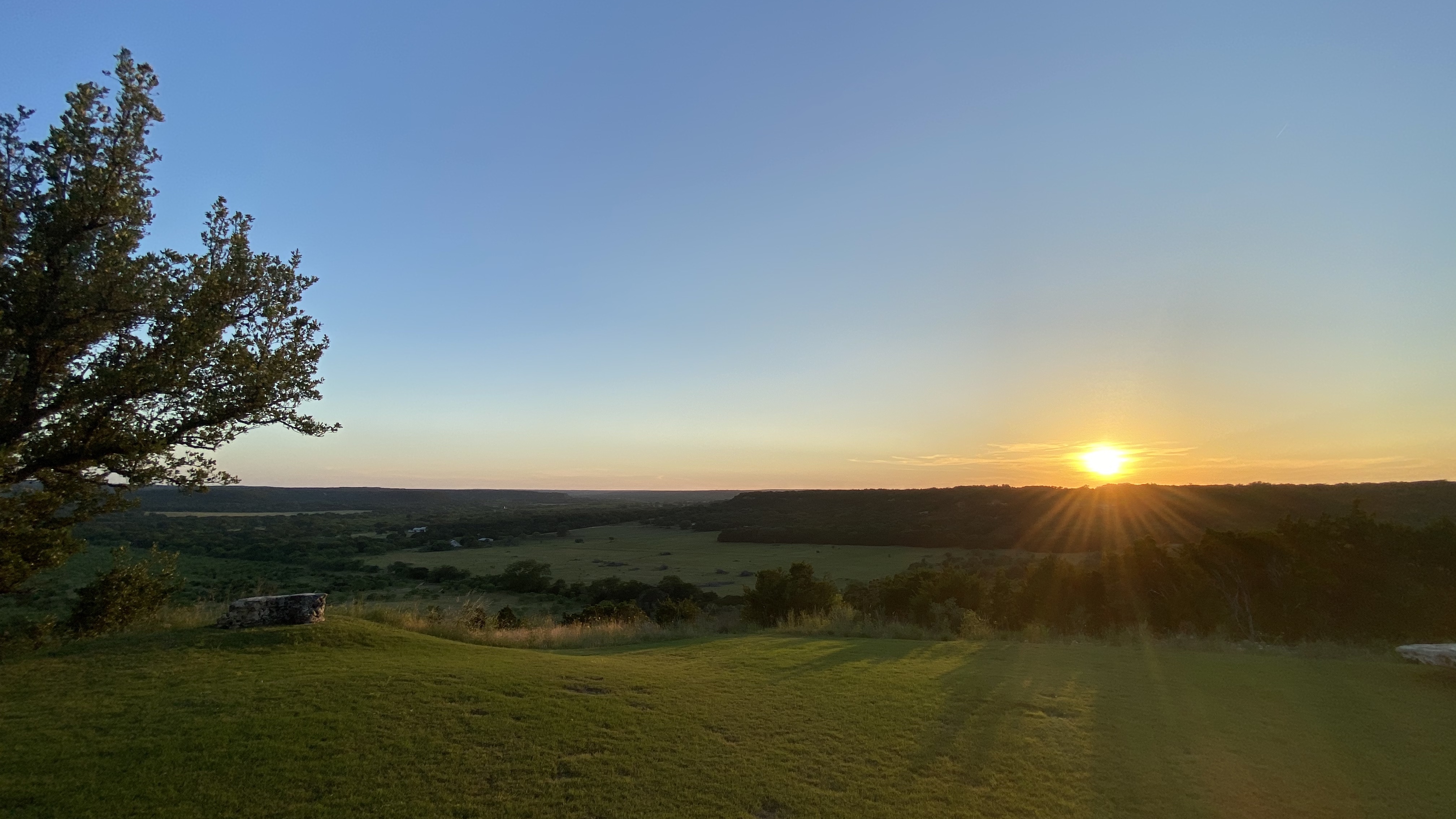
We recognize that environment is not everything. However, it can play an important role in our healing. The physical setting of a retreat shapes whether people feel hurried or unhurried, guarded or safe, overstimulated or able to breathe again.
Our vision for the Retreat at Annandale is to make the place itself a key part of the ministry. The land has been stewarded by the same family since 1889. Its story is saturated with endurance and longevity. Our About page describes that legacy of care, preservation, and vision for prayerful design.
Infusing the history of preservation and longevity of the land into the the retreat design intentionally supports the restorative expereince. It helps slow the pace of those attending retreats. The slower pace helps move people from vigilance to stillness, from constant output to reflection, and from fragmentation to steadier presence. For many people in helping professions, this pace is part of what makes sustainable service possible.
A wider impact starts with a permanent home
If our mission was only about serving a small existing circle, temporary gatherings might be enough. But the need is much broader.
There are pastors considering whether they can continue in ministry, nurses and physicians carrying chronic overload, along with social workers, missionaries, counselors, and other caregivers who have learned how to keep going without having many places to truly stop and exhale.
A permanent faith-integrated, burnout recovery retreat center creates the capacity to serve beyond our personal networks and one-off invitations. It gives people a place they can find, understand, trust, and return to. It also gives donors, churches, healthcare leaders, and referral partners something tangible to support.
Our vision is not simply about building for appearance. Our vision is to provide more access, continuity, and long-term impact to those in need of this type of care.
A faith integrated burnout recovery retreat center can support deeper recovery
The kind of support the Retreat at Annandale is being built to hold will include spiritual direction, reflective rhythms, trauma-informed care, somatic awareness, quiet, community, and nature. All centered on soul restoration.
This combination matters.
People in ministry often need language for calling, Sabbath, Scripture, prayer, and spiritual renewal. People in clinical fields often resonate with words like emotional exhaustion, compassion fatigue, recovery, regulation, and resilience. Annandale does not have to choose one vocabulary at the expense of the other.
A faith integrated retreat can speak warmly and clearly to both ministry and clincial fields. Integrating insights from psychology and neurobiology without losing the spiritual center allows for a deeper sense of recovery where care is both human and rooted. We are able to welcome a pastor carrying spiritual fatigue, a nurse carrying moral distress, or a physician carrying cumulative overload without forcing everyone into the same story.
Building for those who carry more than most
At its heart, our vision for a permanent retreat center is an act of hospitality. It is a proclamation to exhausted people, you do not have to wait until everything falls apart before you receive care.
To doctors and nurses, the language of that care revolves around burnout, nervous system strain, emotional exhaustion, resilience, and proven tools for recovery.
For pastors and ministry leaders, it includes Sabbath, spiritual direction, lament, and renewed clarity for calling.
For many, it will include both. We envision a holistice approach of restoration and renewal. When appropriate, there will be support from nutrition experts and personalized physical-fitness programs that respects the realities of demanding work and real-life schedules.
This is why we believe the Retreat at Annandale’s faith integrated, ecumenical approach is so timely. It will meet people with warmth, depth, and real-world understanding in a natural setting that supports a retreat pace that doesn’t turn healing into a performance.
If you want to follow the vision as it grows, you can explore The Retreat at Annandale, learn more about the founders and story, or support the building campaign.
The ministry has already begun. A permanent home allows our care to reach farther and help more people return to their calling with renewed strength, clearer minds, and a lasting resilience to continue to serve and lead.


Comments