
What makes a spiritual retreat in Texas restorative rather than just relaxing

Updated: Apr 30
When you think about a spiritual retreat in Texas, you may often think about an awe inspiring beautiful landscape. As much as a beautiful setting can help people slow down, slowing down is not the same as being restored.
That difference matters, especially for people who spend their lives carrying responsibility for others. Doctors, nurses, therapists, social workers, pastors, and ministry leaders don’t just need a break from busy schedules. We need space to recover from chronic stress, emotional depletion, compassion fatigue, and the steady inner noise that builds when life is lived in constant response mode.
This is why the language around retreat is important. Not every retreat is restorative. Some provide a beautiful setting and a pleasant pause. Others create the conditions for deeper renewal. The best spiritual retreats are not just about spending time in a peaceful space. The most impactful spiritual retreats are intentionally designed, guided with wisdom, and structured to help provide lasting transformation.
At The Retreat at Annandale, our vision is to create an ecumenical, faith integrated retreat center that provides just that. Our retreat experiences are shaped by historical liturgical Christian practices like hospitality, contemplation, Scripture reading, quiet prayer, and community; as well as proven therapeutic practices like trauma-informed care and engagement with nature. The goal is not simply to escape for a weekend. The goal is renewal that continues beyond the retreat itself.
Relaxation and restoration are not the same thing
A relaxing trip may reduce pressure for a day or two. A restorative retreat goes deeper. It helps people move out of chronic overload and into a healthier rhythm of attention, presence, and recovery. Whether they come for a personal intensive, sabbatical care, marriage intensive, or a group expereince for church or nonprofit leaders, each retreat is curated to help shift the soul from feeling overwhelmed to a more restored state.
The need is increasingly common. As the American Medical Association has reported that physician burnout reached nearly 63% in 2021, before improving somewhat the following year. Even with improvement, the level remained high enough to signal a widespread strain on the workforce.
Among nurses, the problem is just as serious. The American Association of Critical-Care Nurses’ national nursing workforce survey found that 67% of acute and critical care nurses planned to leave their current positions, with stress, moral distress, and feeling undervalued playing major roles.
The healthcare industry is not the only place burnout is prevalent. Barna’s research on pastors found that more than one in three pastors had considered quitting full-time ministry within the previous year.
When people live under that kind of sustained pressure, they often need more than comfort. They need a setting and rhythm designed to support real decompression, emotional steadiness, and spiritual clarity.
Nature helps, but nature alone is not enough
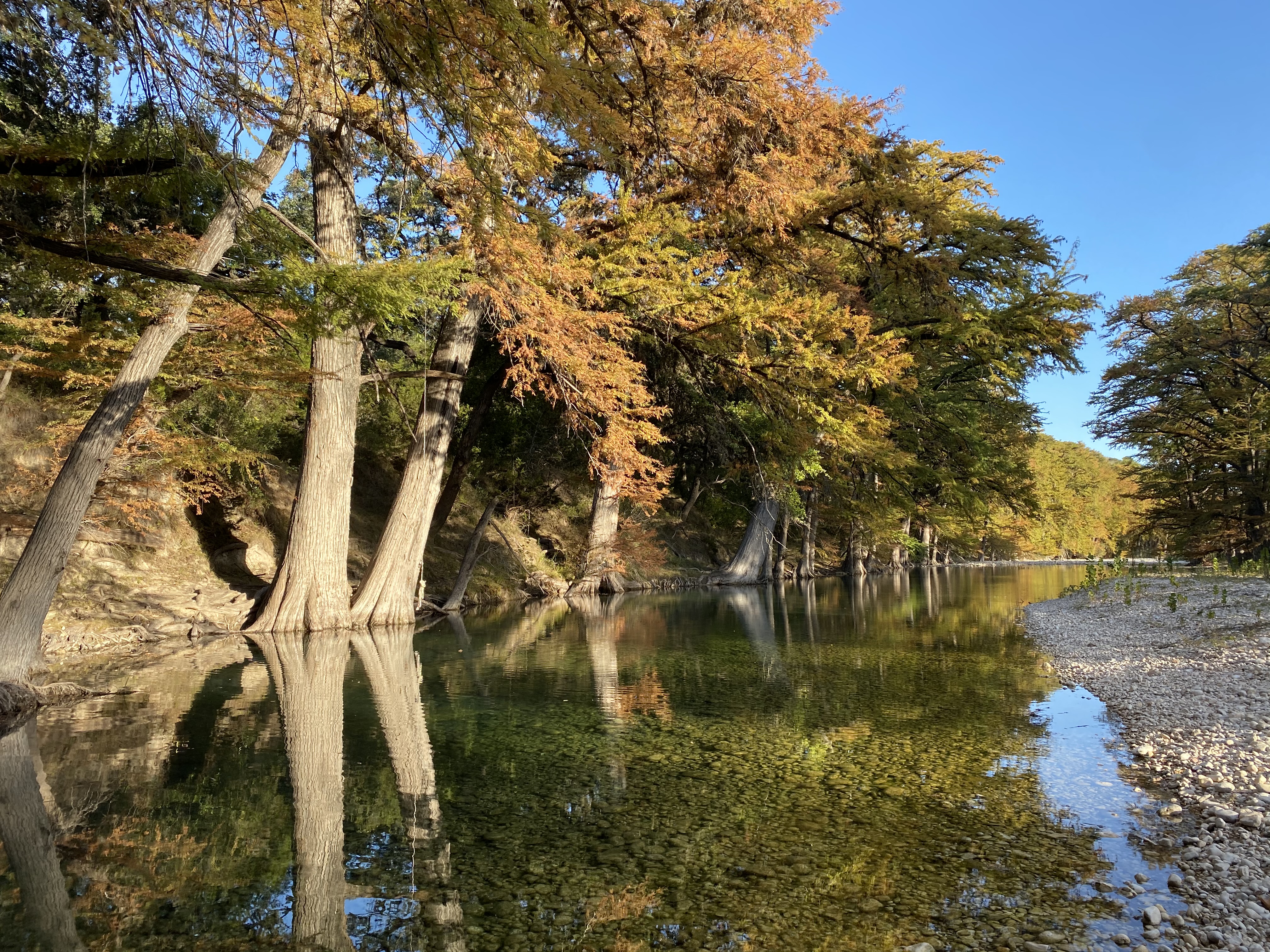
When considering a spiritual retreat in Texas, there is a reason people often search for retreat spaces away from major cities and constant noise. Natural settings can genuinely support recovery. They help decompress and slow the soul down.
A large review published by Nature.com found that spending at least 120 minutes a week in nature was associated with better health and well-being. Research supported by the National Institutes of Health has also linked time in natural environments with lower stress, improved mood, and better overall mental well-being.
Still, a beautiful landscape by itself does not always lead to restoration. Many tired people can spend time somewhere lovely and remain internally wound tight. Their bodies never fully settle. Their thoughts keep racing. Their grief or fatigue—sometimes even long-held sorrows—finally catches up with them once the noise stops.
That is why restorative retreats need more than scenery. They need wise structure.
What actually makes a retreat restorative
A truly restorative retreat usually includes several elements working together, whether someone comes for an individual personal getaway or a small group retreat.
1. A slower rhythm
People carrying chronic stress often do not know how quickly they are moving until they enter a place that asks less of them. A restorative retreat creates room to breathe, reflect, walk, pray, rest, and be present without constant urgency.
The rhythms implemented at The Retreat at Annnandale are not about performance, pressure, or checking another spiritual box. The retreats are crafted to stimulate sustainable resilience. This approach is fitting for everything from ministry team weekend retreats to longer-form renewal.
2. A sense of safety
Traumatic experiences and nervous system over load play a big role in burnout. That’s why trauma-informed care matters. Some people arrive exhausted. Others arrive overwhelmed, grieving, or emotionally flooded. A restorative environment pays attention to pacing, hospitality, consent, privacy, and how people experience space. It does not push people to share before they are ready or fill every hour with content.
3. Language that honors both spiritual and human reality
Looking for a spiritual retreat in Texas, you may find spaces that speak beautifully about faith but struggle to acknowledge emotional exhaustion in practical terms. Others describe stress clinically but leave little room for prayer, meaning, vocation, or God’s presence.
A faith integrated approach can hold both.
That matters for pastors, but it also matters for clinicians. Many doctors and nurses are open to spiritual renewal when it is offered with humility, warmth, and respect for the realities of burnout, overload, grief, and compassion fatigue. The restorative experience supported through one-on-one guidance with a spiritual director, trained counselor, or retreat guide who understands how healing unfolds over time.
4. Space for reflection, not just distraction
Restoration is different from distraction. Endless entertainment may help people avoid stress for a while, but it does not always help them process what they are carrying.
Contemplation and reflective rhythms such as silence, prayer, journaling, Scripture reading, and guided conversation can help people reconnect with what has become buried under speed and demand.
If you read more of our story on the About page you’ll see that this vision grew out the belief that transformation happens through presence, not pressure. That is often why silent retreats and spiritually grounded rhythms can be so powerful.
Why ecumenical and faith integrated language matters
For many people, the word retreat can sound either vague or overly narrow. The Retreat at Annandale’s language offers a better way.
Calling the center ecumenical communicates welcome across Christian traditions without flattening conviction. Calling it faith integrated communicates that spiritual renewal is not an add-on or a separate track. It is woven into the retreat experience alongside hospitality, reflective practice, and whole-person care.
That language also opens the door to people outside a narrow church subculture. A nurse may not search for the same terms a pastor uses. A physician may be more likely to resonate with burnout recovery, resilience, and nervous system regulation than with insider ministry language. We believe we can meet both groups with warmth and clarity.
Why Texas matters too
Location is part of the opportunity.
Search interest for a spiritual retreat in Texas is broad because people are often looking for places that offer both accessibility and a meaningful experience. The Texas Hill Country naturally carries that appeal: open sky, quiet, spring fed rivers, space and distance from the pace many people are trying to step out of.
The vision of The Retreat at Annandale is a place shaped in harmony with the landscape, not in conflict with it. This compatability is designed to help support emotional healing, nervous system recovery, and spiritual renewal. That makes the center more than scenic. It makes it intentional. It makes it a place where the body can settle and life can feel sustainable again.

A restorative retreat should help people return differently
The clearest test of a restorative retreat is not whether someone enjoyed being there. It is whether they leave more grounded, more present, and better able to reengage their life with steadiness and resilliance.
That does not mean every retreat solves everything. It means the experience gives people something deeper than temporary relief. It offers practices, perspective, quiet, and care that can continue after they go home.
This is why establishing a permanent place of retreat matters. It allows a ministry like The Retreat at Annandale to keep developing a place where restoration is not accidental. It is built into the space, the pace, and the welcome. It gives us the ability to host retreats that serve both individuals and groups with consistent care.
If you are looking for a spiritual retreat in Texas that speaks to both the soul and the real strains people carry in modern life, Annandale is building toward exactly that kind of place. You can learn more about the story behind the retreat, follow the larger vision, or support the building campaign.
If you’re exploring next steps, you can also contact us about individual intensive retreats we currently offer and on going spiritual direction and care offered alongside retreat rhythms.
For people who find themselves emotionally exhausted and spent helping everyone else breathe, a restorative retreat can help them breathe again themselves.


Comments